
İçindekiler
- 1 What is The Principle of a Pad Printing Machine?
- 2 1. Key to Efficient Pad Printing: Ink Return System Types
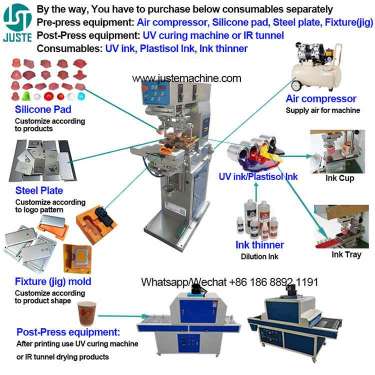
- 3 2. The Foundation of Perfect Pad Printing: Essential Pre-Press Preparation
- 4 3. Typical Applications of Pad Printing Technology
- 5 4. Practical Tips for Successful Pad Printing:
- 6 5. Conclusion
What is The Principle of a Pad Printing Machine?
(Please watch part4 at the 29-second mark)
A pad printing machine is a specialized industrial printing device designed to apply fine details like logos, serial numbers, symbols, and intricate patterns onto curved, irregular, or small surfaces. Its core principle involves a soft silicone pad picking up ink from an etched plate (cliché) and precisely transferring it onto workpieces of various shapes. Renowned for its exceptional adaptability, accuracy, and efficiency, pad printing is indispensable across industries like electronics, medical devices, toys, cosmetic packaging, automotive parts, and appliance buttons.
1. Key to Efficient Pad Printing: Ink Return System Types
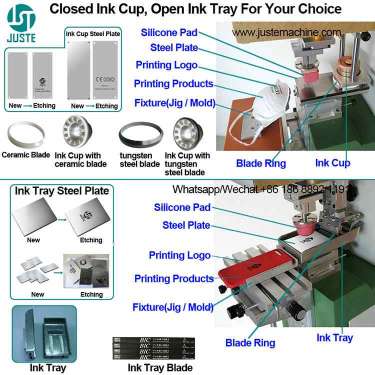
During printing, a doctor blade scrapes excess ink off the cliché surface, leaving ink only in the etched cavities. Managing this scraped-off ink is the critical function of the ink return system. Choosing the right system directly impacts ink utilization, workspace cleanliness, and long-term operating costs. The two main types are:
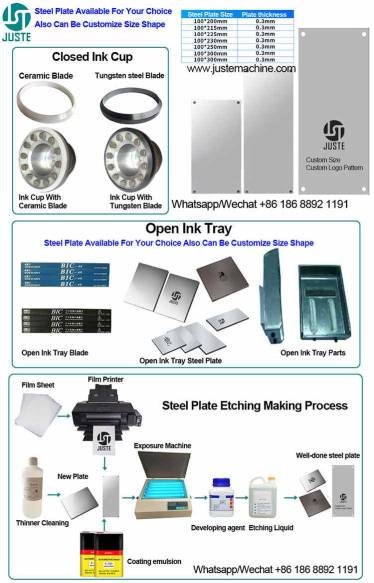
(1). Open Ink Tray System
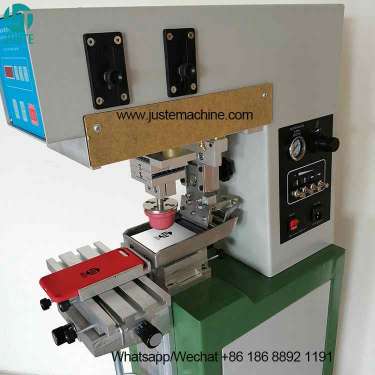
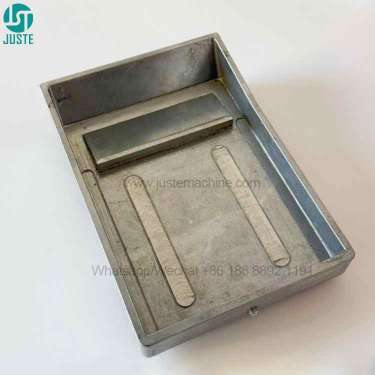
How it Works(please watch part1 of the video):
An open ink reservoir (tray) sits behind the cliché.
An ink feed mechanism (ink knife) pushes a pool of ink onto the plate.
The doctor blade then scrapes excess ink back into the tray, leaving ink only in the etched image area for the pad to pick up.
Avantajları:
Simple & Cost-Effective: Easy to manufacture and maintain.
Easy Ink Refilling: Operators can directly add ink to the tray.
(2). Sealed Ink Cup System
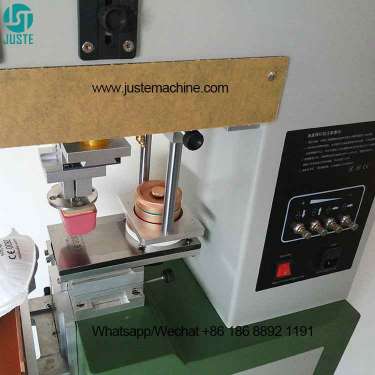
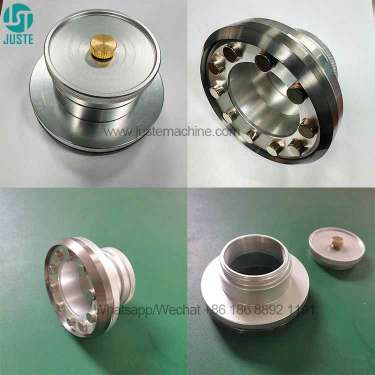
How it Works(Please watch part2 at the 9-second mark):
A sealed container (ink cup) tightly covers the cliché surface.
The ink cup acts as the ink reservoir, feed mechanism, and doctor blade combined.
A highly polished ceramic ring ensures a tight seal against the plate.
Avantajları:
Reduced Solvent Evaporation: Sealed design drastically slows solvent evaporation, maintaining consistent ink viscosity, reducing adjustments, and improving print consistency.
Improved Work Environment: Significantly reduces ink odors and VOC emissions, enhancing workplace safety and environmental friendliness.
Lower Ink Consumption: Reduced evaporation means less ink waste, higher utilization, and long-term cost savings.
Minimized Contamination: Effectively prevents dust and debris from entering the ink, ensuring cleaner ink and fewer print defects.
2. The Foundation of Perfect Pad Printing: Essential Pre-Press Preparation
Thorough pre-press setup is crucial for achieving efficient and high-quality pad printing results.
(1). Etched Plate (Cliché) with Logo/Design
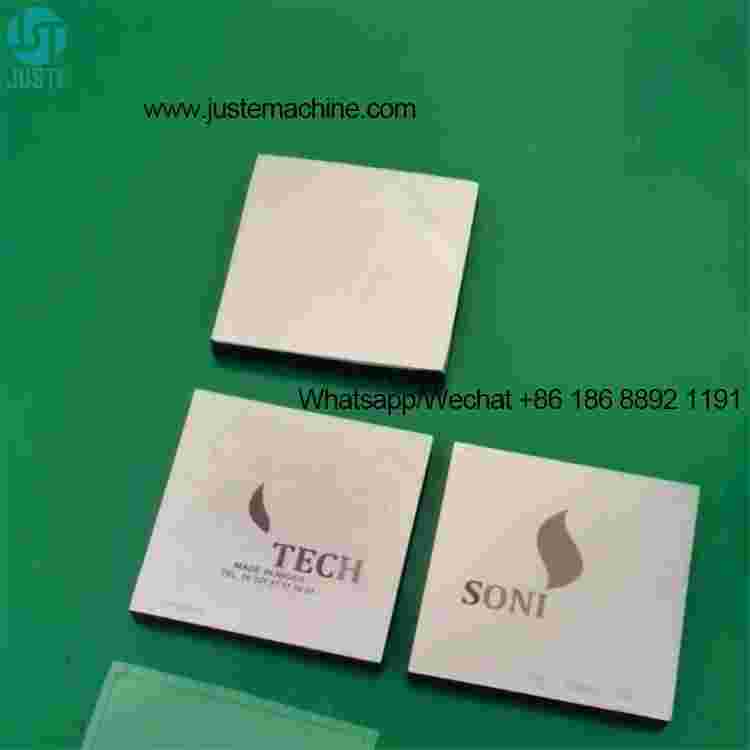
Core Component: This is the printing template. Its cavity depth and finish directly determine ink transfer volume and the sharpness/clarity of the printed image.
Key Considerations:
Precision Design: Artwork must be professionally designed for the final print result (considering line thickness, negative space, etc.).
Professional Etching: Produced by experienced suppliers using laser or chemical etching to ensure uniform cavity depth and smooth edges.
Ink Compatibility: Plate material (commonly steel or chromium steel) must be compatible with the ink used.
Regular Maintenance: Clean thoroughly after use to prevent dried ink clogging cavities; inspect regularly for wear.
(2). Suitable Pad Printing Ink
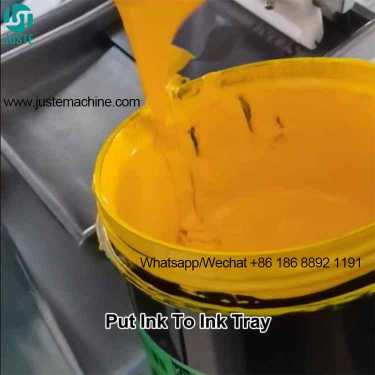
Critical for Print Quality: Ink selection is vital and requires considering:
Substrate Material: Plastics (ABS, PP, PE, PVC…), metal, glass, ceramic, silicone, etc. Different materials require inks with specific adhesion properties (e.g., PP/PE often need specialized primers or inks).
Pad printing inks are typically solvent-based and require mixing with additives/reducers before use.
They are usually “touch dry” within seconds but may require longer times for full curing.
Reducers: Use the correct, compatible reducer to adjust ink viscosity for optimal printing.
Storage: Strictly follow supplier conditions (temperature, light protection); stir well before use.
(3). Precise and Reliable Workpiece Fixture
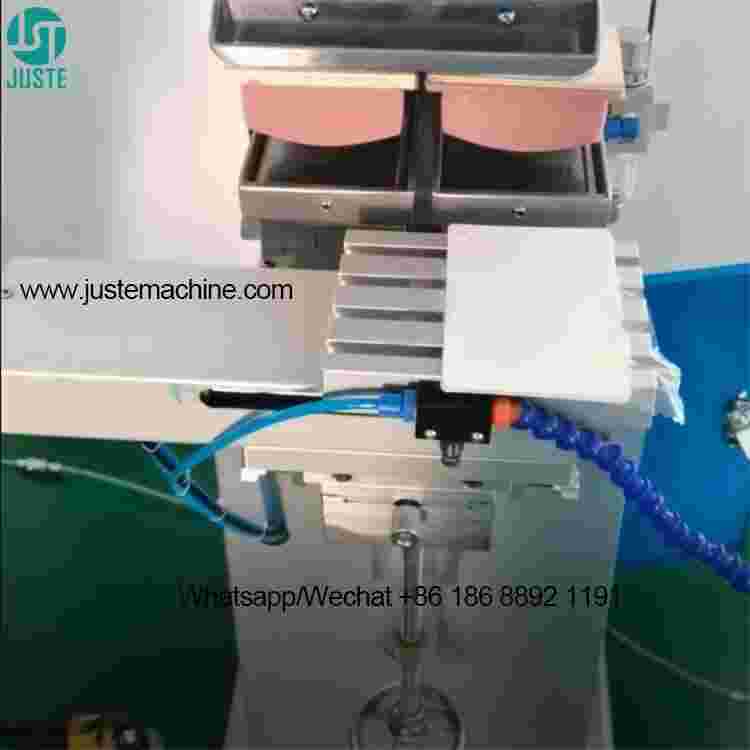
Ensures Positioning & Stability: Holds the workpiece securely during printing, guaranteeing the pad lands accurately in the same spot every time.
Customization: Fixtures are typically custom-designed for the specific part’s shape and size.
Stability: Must clamp the part firmly to prevent ghosting or misalignment caused by movement.
Efficiency: Designed for quick and accurate part loading/unloading (manual or automated).
Durability: Made from suitable materials (e.g., aluminum, engineering plastics) for long-term reliability and precision.
(4). Custom Silicone Pad
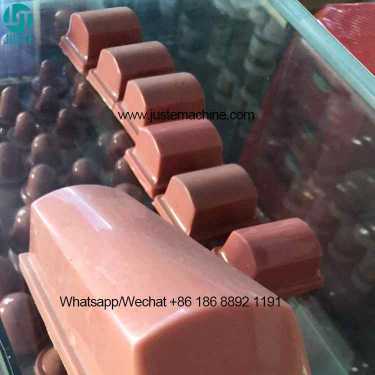
Material: Primarily made from Liquid Silicone Rubber (LSR) or silicone rubber.
Critical Properties:
Hardness (Shore A): Typically ranges from Shore A 10° to 60°. Softer pads (15°-30°) suit large curves, large images, or delicate parts (silicone keypads, cosmetic bottles), conforming better and reducing impact. Harder pads (40°-60°) suit flat surfaces, small/fine details, or high-precision needs (PCB markings), offering minimal deformation and high accuracy.
Hardness selection is paramount.
Rebound Resilience: The pad’s ability to quickly return to its original shape after compression. Good rebound ensures fast, clean ink pickup and release, minimizing ghosting and drag lines. High-rebound silicone is preferred.
Solvent Resistance: Must withstand ink solvent exposure without swelling, deforming, or cracking, ensuring longevity and stable printing.
Low Surface Energy / Good Ink Release: Surface properties must allow complete ink pickup and transfer to the substrate, preventing ink residue or stringing.
Dimensional Stability: Maintains shape and size under varying temperature/humidity and during extended use.
The Pad Printing Process(Please watch part3 at the 17-second mark)
The sealed ink cup positions over the etched image area, covering it and filling it with ink.
The ink cup moves away, scraping off all excess ink, revealing the ink-filled etched image. The ink’s top layer becomes tacky upon air exposure, enabling it to adhere to the pad and subsequently to the substrate.
The silicone pad presses down onto the plate. As it compresses, it pushes air outwards, allowing ink to adhere from the etched cavities onto the pad surface.
When the pad lifts, the ink within the etched image transfers to the pad. A small amount of ink remains in the plate cavities.
As the pad moves towards the printing position, the ink cup simultaneously moves back, covering the etched image area again and refilling it with ink for the next cycle.
The pad presses down onto the substrate, transferring the ink layer onto its surface. The pad then lifts off and returns to its starting position, completing one print cycle.
3. Typical Applications of Pad Printing Technology
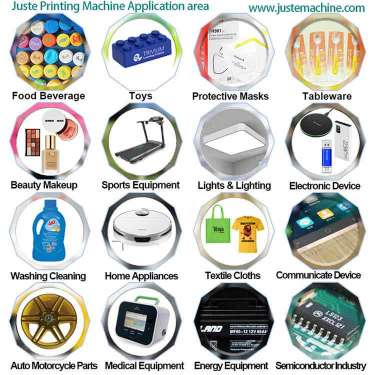
Electronics & Appliances: Keyboard legends, PCB markings, switch identifiers, connector numbers.
Automotive Industry: Dashboard button icons, interior trim logos, knob scales, light markings, engine part numbers.
Medical Devices: Syringe scales, equipment panel buttons, surgical instrument markings, test tube labels (requires biocompatible inks).
Consumer Goods: Cosmetic bottle batch codes/dates, toothbrush logos, toy decorations, promotional items.
Sports Equipment: Golf ball logos, racquet branding, helmet graphics.
Industrial Components: Tool identification, pipe markings, valve nameplates.
4. Practical Tips for Successful Pad Printing:
Environment Control: Maintain stable temperature and humidity in the printing area for consistent ink performance.
Parameter Optimization: Carefully adjust pad pressure, speed, downstroke depth, doctor blade pressure, and angle.
Ink Viscosity Management: Regularly measure and adjust viscosity – crucial for good transfer and image clarity.
Equipment Maintenance: Clean pads, plates, blades, and fixtures regularly; follow lubrication and service schedules.
First Article Inspection: Always perform a first-piece check after startup, ink change, or adjustments to verify position, clarity, color, adhesion, etc.
5. Conclusion
Pad printing technology holds a unique and irreplaceable position in industrial marking and small-area, high-detail printing. Understanding the characteristics and suitable applications of Open Tray and Sealed Cup ink systems empowers you to make the optimal choice based on production needs and cost considerations. Diligent attention to essential pre-press preparation – including high-quality etched plates, rigorously selected inks, precision fixtures, and custom silicone pads – is fundamental. Only by prioritizing these steps can you ensure a smooth, efficient printing process, resulting in high-quality products with precise, sharp, and durable prints that effectively boost your productivity and market competitiveness.
Bize Ulaşın
Telefon: +8618688921191
Whatsapp/wechat:+8618688921191
Ana Sayfa Daha Fazlasını Gör

