Custom disposable cups are in high demand, and not only from major coffee retailers. Independent cafes, juice shops, event organizers, and even workplaces are all looking for decorative cups. If you’re considering jumping into this market, the first choice you make will determine your success: the right disposable cup printer.
Choose the wrong printer, and you’re stuck with quality issues and high costs. Choose the right one, and you have a profitable and scalable business.
Let’s explore the best machines to invest in.
Contents
Why the Right Disposable Cup Printer Changes Everything
The first step before looking at equipment is to understand what makes a good investment.
Disposable cup printing isn’t just about putting ink on paper. It demands operational efficiency and dependable performance and printing capability to produce high volumes of work without sacrificing quality. Using the wrong machine can result in material wastage, poor printing quality, and dissatisfied customers. But the right disposable cup printer can bring your brand to FMCG, restaurants, cafes, events, and QSR.
Types of Machines Used in the Industry
All machines exhibit different operational characteristics. Here are the most common types of cup printing machines and their capabilities.
1. Flexographic Printing Machines
Flexo is the most common high-volume printing process. This printing involves flexible rubber or photopolymer plates and quick-drying ink – which makes the method suitable for extensive production runs. If your clients place orders in the lakhs, flexo is your go-to. The system delivers consistent printing results while reducing production expenses through bulk manufacturing.
2. Offset Printing Machines
Offset offers remarkable color fidelity and detail. It’s ideal for brand consistency, such as luxury packaging for coffee chains or cafes. The operation of offset machines requires extended setup periods, which makes them suitable for production runs of medium to large size
3. Digital Cup Printing Machines
A digital disposable cup printer doesn’t need plates at all. The process allows you to create a design that will be printed within a few minutes. It’s ideal for low-volume personalization, event cups, or samples. Although the unit cost will be higher than flexo, the plate cost makes it very economical for short orders.
- Best for: Event cups, café cups, startups
- Advantage: No minimum order quantity pressure
- The system has limitations because it cannot maintain its speed when handling large production quantities.
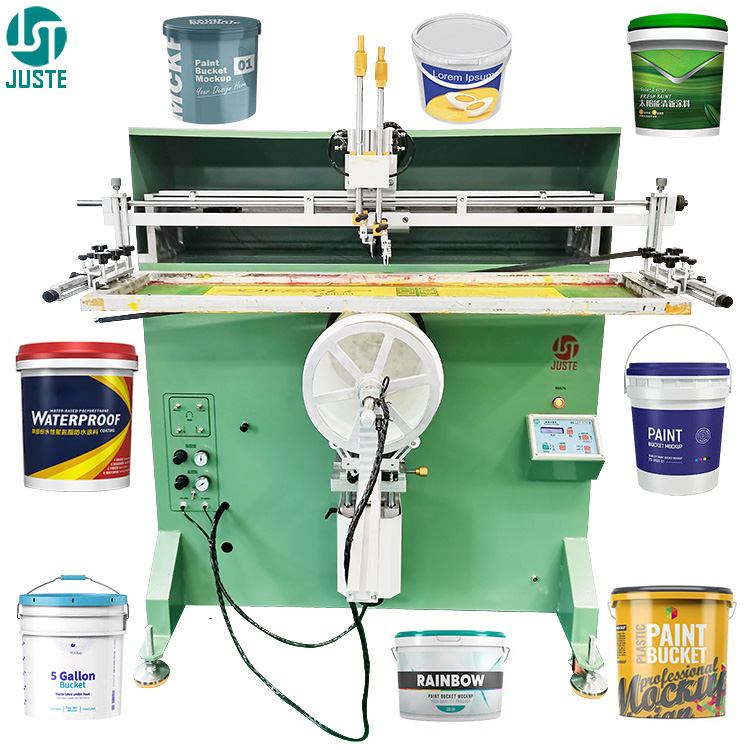
4. Rotary Screen Printing Machines
Rotary screen printing produces thick, bold colors that stand out on white cups. It works well with specialty inks, such as metallics and UV reactive inks, and is well suited to promotional products and limited-edition packaging.
Key Features to Look for Before Buying
When you’re purchasing a machine, new or for an existing line, here’s what you need. Don’t just compare price tags. Compare these instead:
- Print speed (cups/hour): Impacts your throughput and cost per unit.
- Ink colors: CMYK at the very least; Pantone is ideal.
- Cup size: Ensure it can print 8 oz. and 16oz. cups.
- Ink type: Use of food-safe ink is essential for beverage cups.
- After-sales support: A machine without service support is a liability
What to Look For in a Supplier Partner
A cup printing machine supplier is just as important as the machine itself. You need someone who provides sample runs, training, consumables, and parts with a quick response time. Many companies are now looking for a full-service supplier who provides both the machine and the material – that’s where you save money.
Ready to start or upgrade your cup printing business?
Choose Juste Machine, your trusted partner for advanced disposable cup printer technology that delivers quality, speed, and business growth.
FAQs
Which is the best disposable cup printer for small businesses?
For small businesses, a digital cup printer is best, as it doesn’t use plates and allows for low-cost, short-run, and customized orders.
How much does a cup printer cost?
It ranges approximately from $3,180 to $3,240 for basic digital to $26,700 for high-speed flexographic presses.
Is food-safe ink mandatory for cup printing?
Yes, particularly if it’s for hot drinks. Ensure food-grade ink certification from your ink supplier, adhering to FSSAI or other standards.
Can the same machine print on paper and plastic cups, too?
It depends on the digital machine – check with your supplier before buying to ensure compatibility.